

Chromium-6 in scrap?
According to the guideline, expert, reliable, and fast
Monthly, we take care of the processing of scrap.
Inspecting the scrap on site, taking samples, processing documents
Determine EURAL code scrap
Choose SEEF for the processing of Scrap
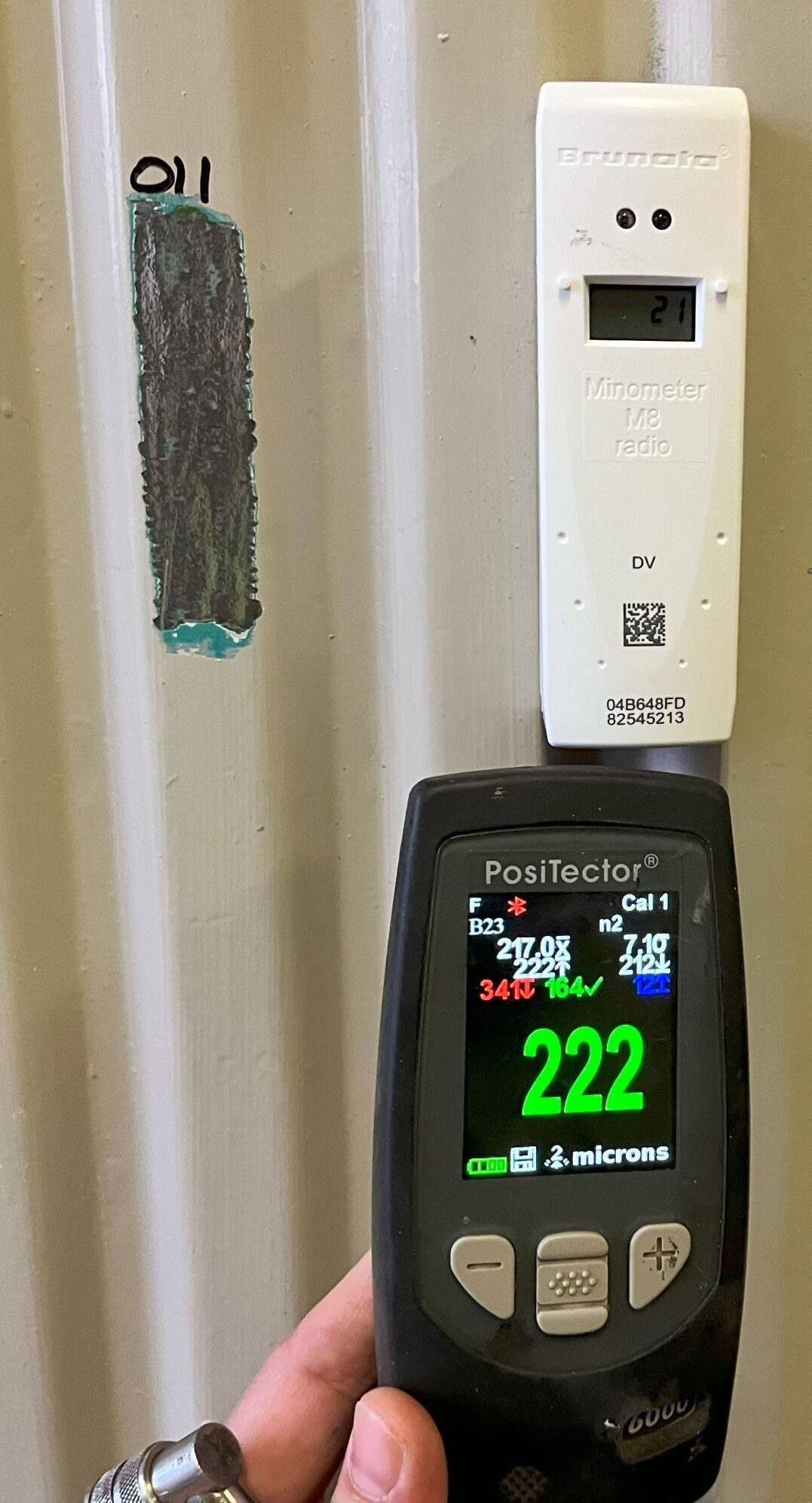
Whether scrap metal with an old coating must be disposed of as hazardous waste depends on the substances present in the coating and their concentrations, such as chromium-6, lead, zinc, and other metals. SEEF samples the coating, analyses the concentrations, and assesses them against the hazardous properties HP1 to HP15 (Regulation (EU) No 1357/2014 and Regulation (EU) 2017/997).
You will receive a report containing the measured values, the calculation method, and the substantiated EWC classification, so that the waste processor and the LMA reporting point can see the basis on which the classification was determined.
What is an EURAL code?
EWC coding is a waste classification system used throughout Europe. EWC stands for European Waste Catalogue and comprises a standardized list of waste types with corresponding codes. These codes, also referred to as EWC codes, have been established by the European Union with the aim of simplifying and harmonizing the identification and management of waste.
Each EWC code provides information about the type of waste, its origin, its physical and chemical properties, and the potential risk of harm to human health and the environment. Companies and authorities use EWC codes, for example, to determine how waste should be collected, stored, transported, treated, and disposed of.
In practice, EWC coding is frequently used when reporting waste, as required by European and national legislation. Companies and authorities are required to specify the EWC code for the waste they generate and dispose of, enabling government authorities and other relevant stakeholders to monitor and regulate waste streams.
Regulations EURAL coding
The European Waste Catalogue (EWC), known in the Netherlands as the Eural, is established by Commission Decision 2000/532/EC, as amended by Commission Decision 2014/955/EU. Whether a waste material is classified as hazardous is determined on the basis of the hazardous properties HP1 to HP15 set out in Annex III to the Waste Framework Directive (2008/98/EC), as further specified in Regulation (EU) No 1357/2014 and, for HP14, Regulation (EU) 2017/997.
In the Netherlands, the Eural Guidance provides instructions on how this assessment should be carried out. Waste materials must be reported using the applicable EWC code to the National Waste Reporting Centre (LMA), pursuant to the Decree on the Reporting of Commercial and Hazardous Waste (Besluit melden bedrijfsafvalstoffen en gevaarlijke afvalstoffen).
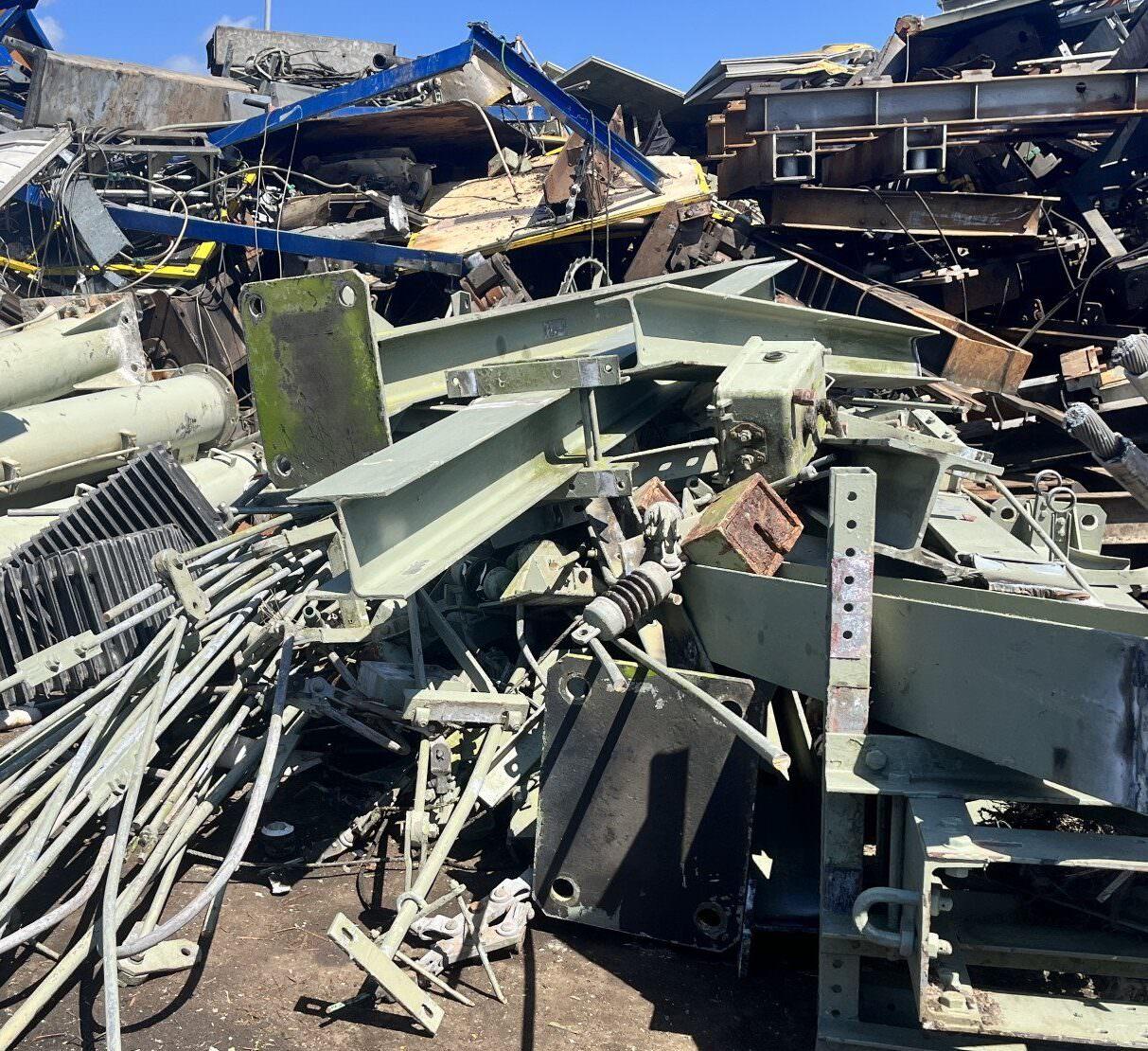
For scrap metal, the assessment concerns the total mass of the object, rather than only the coating (Ministry of Infrastructure and Water Management parliamentary letter, reference RWS-2022/11481). If the scrap falls under one of the HP categories, this classification applies throughout the entire waste chain, from labelling and storage to reporting during transport and processing.
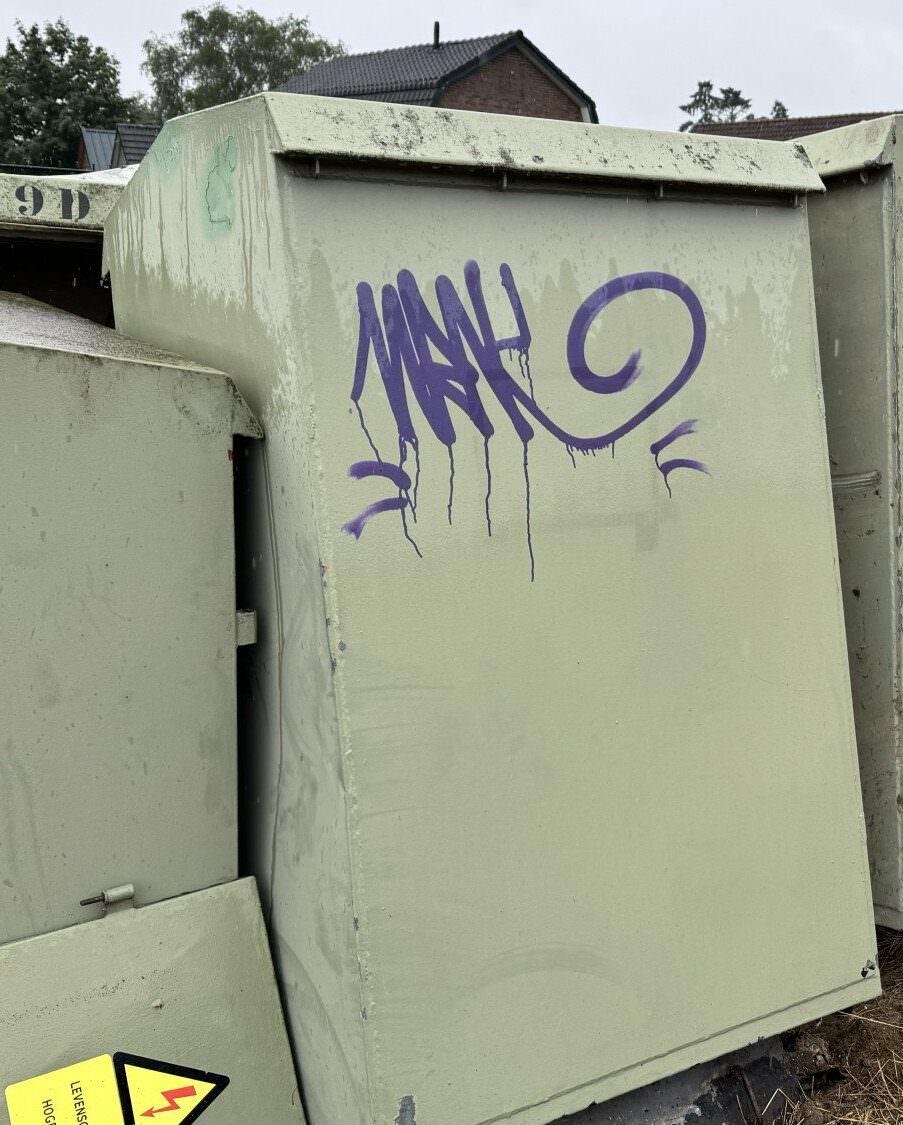
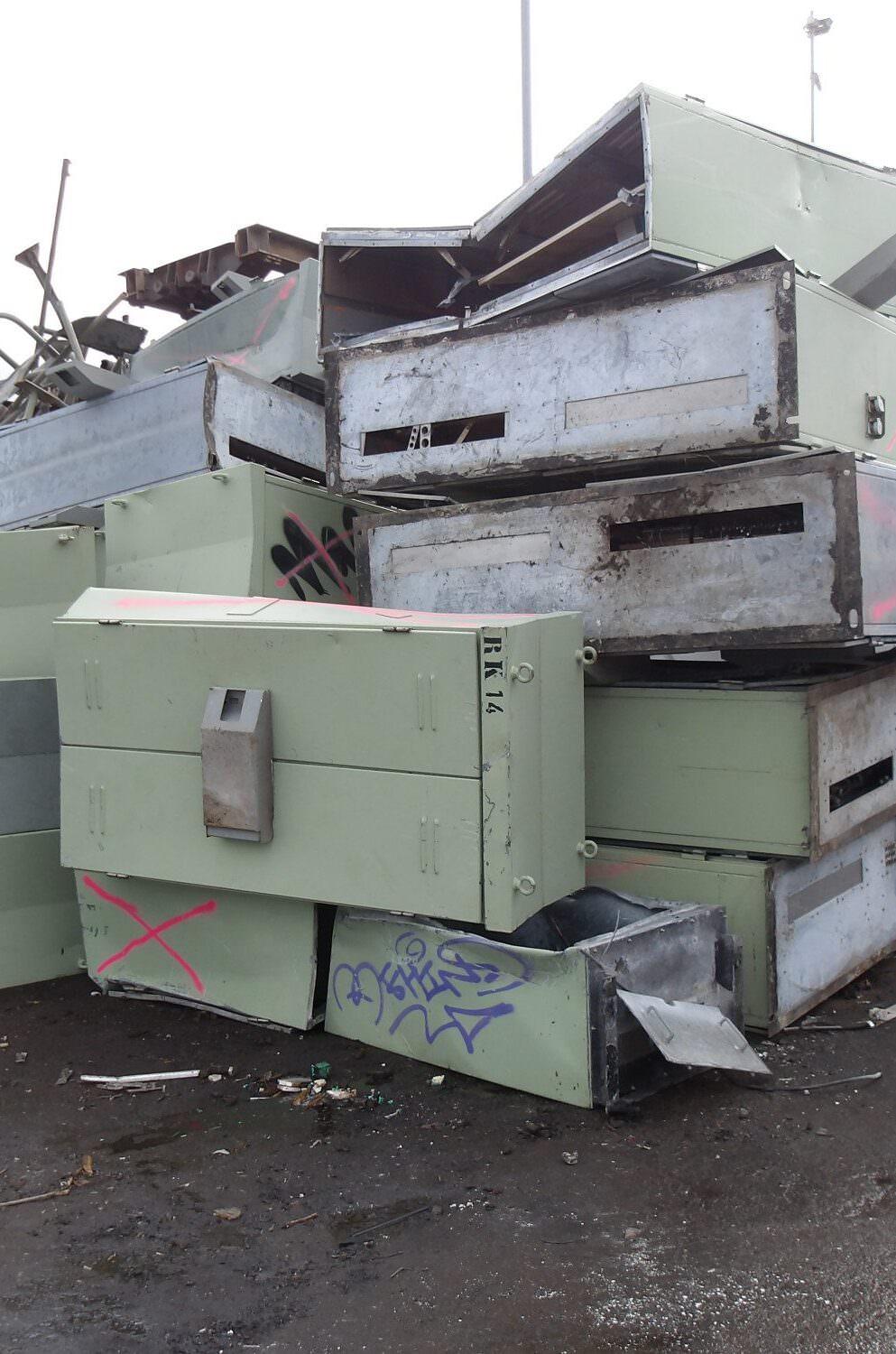
The final processor is ultimately responsible
The final processor of the scrap remains fully responsible at all times for complying with the applicable laws and regulations concerning the processing of waste, even if the Eural code has been determined by a research agency.
SEEF assists in determining the most appropriate Eural code for the scrap based on the available information, the research carried out, and our expertise. However, it is important that the scrap processor independently verifies the Eural code and ensures that it is correct before the scrap is processed. All information generated as part of the assessment is made available in a report.
If the Eural code determined by the research agency subsequently proves to be incorrect, this may result in the material being rejected by the processor and may lead to enforcement action by the competent authorities. It is therefore of great importance that the Eural code is determined carefully and ultimately verified by the processor.