

Chromium-6 investigation on site
Chromium-6 can be present in old coatings, primers, dust, and in insulation systems or installations that have been exposed to high temperatures for extended periods. To ensure safe working conditions, it is therefore essential to establish with certainty whether and where chromium-6 is present.
SEEF conducts this assessment on site, covering the entire process from sampling to laboratory analysis, interpretation, and advice at both project and organizational level. Sampling is carried out in accordance with the OGOS-300-TRL guideline to ensure representative and standardized results.
Using a patented analytical method (WO2023219493), SEEF delivers results that are demonstrably more accurate than those obtained with commonly used reference methods, including in challenging matrices such as zinc-containing paint.
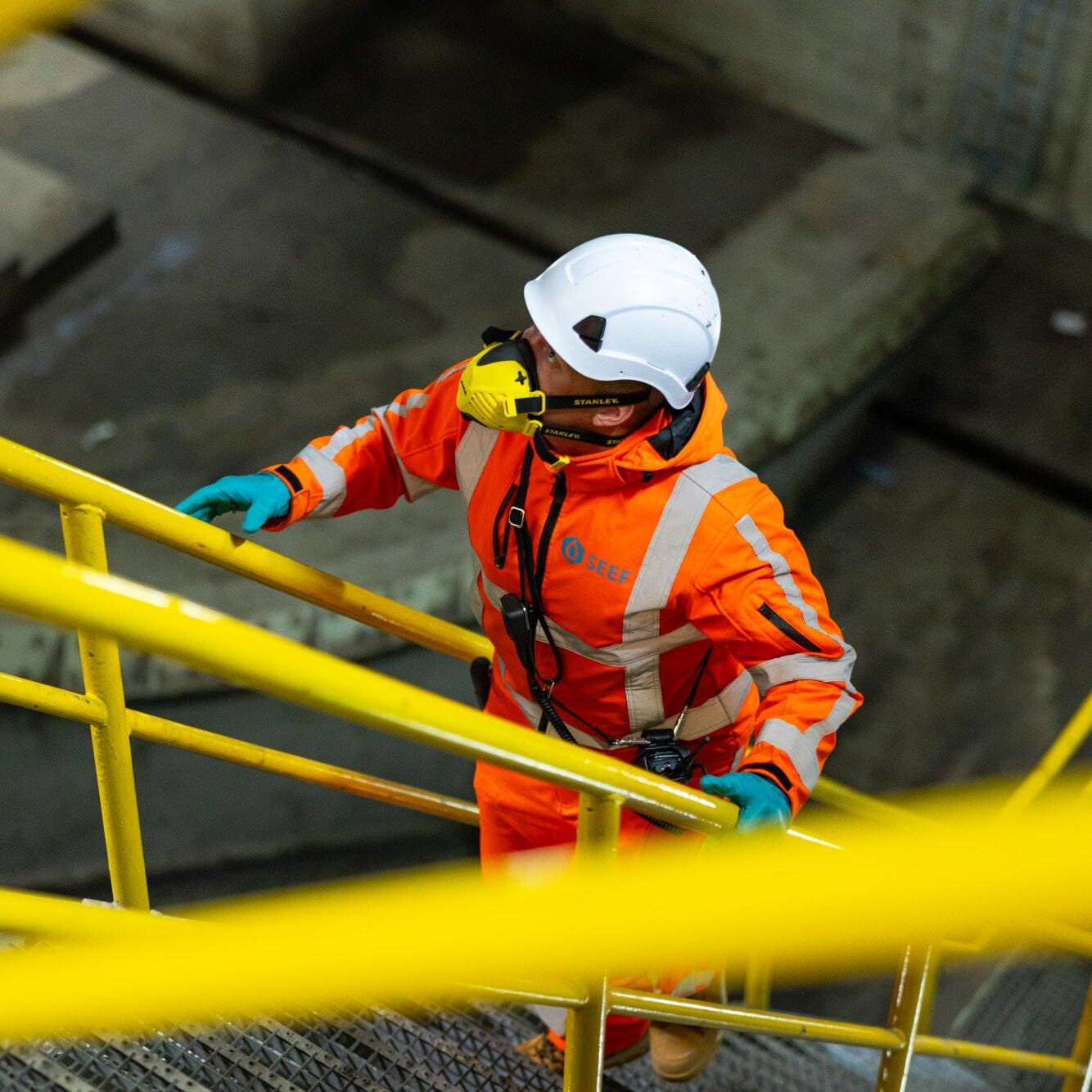
Two forms of chromium-6 research on site
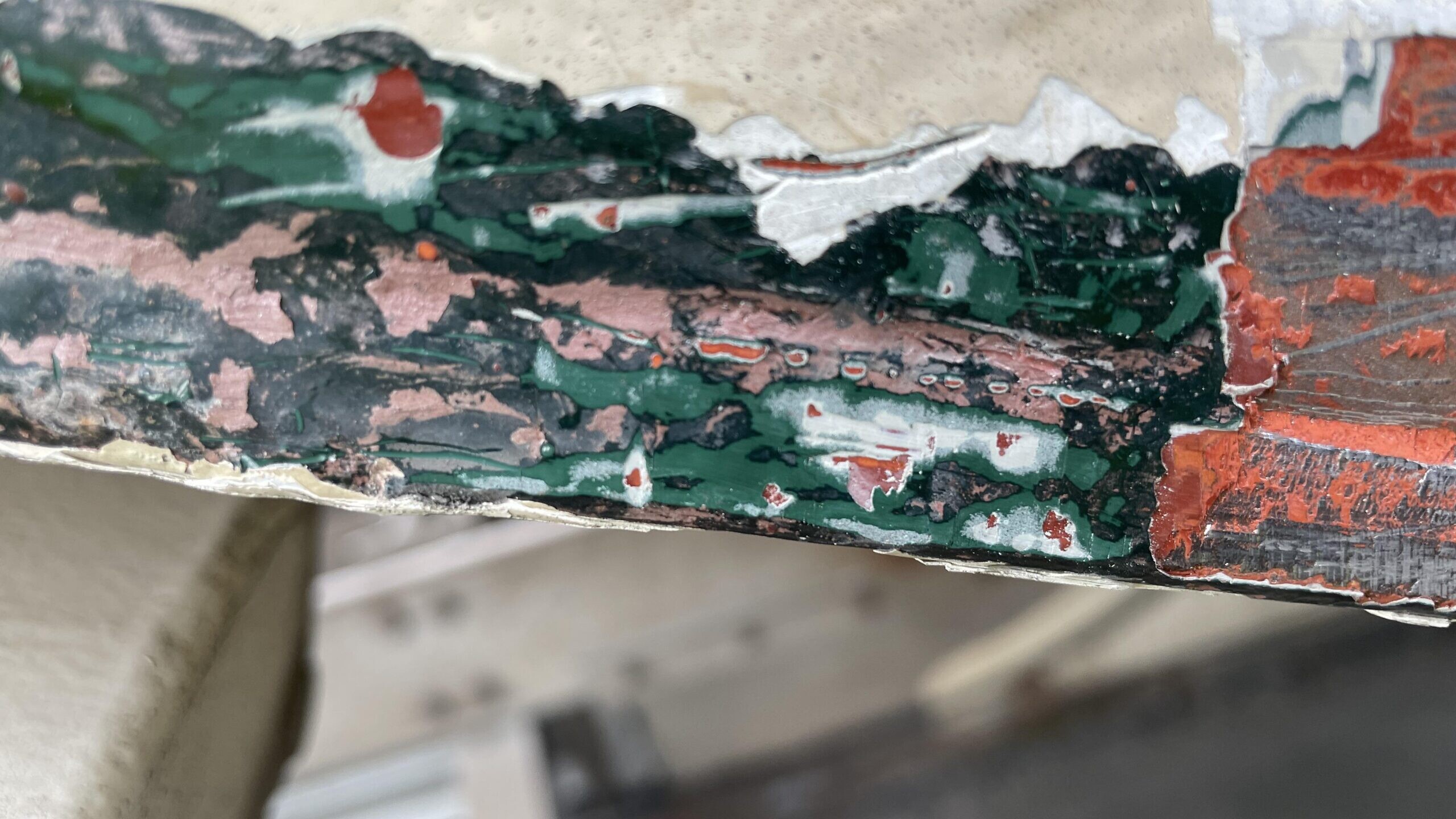
Research in existing coatings, paint layers, and dust
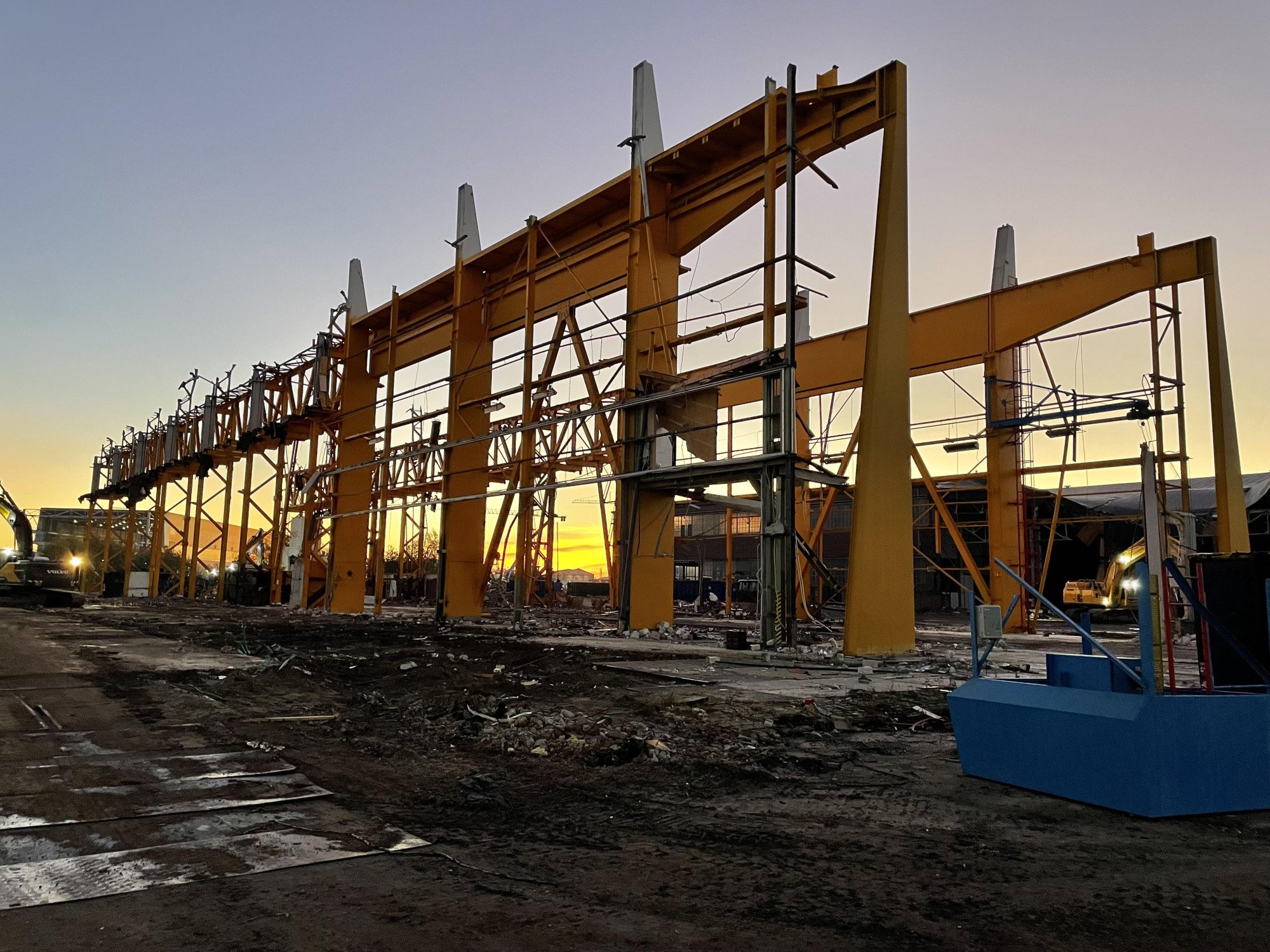
In old paint, primers, constructions, bridges, but also wooden and concrete parts. Everywhere there is paint, we see in 42% of cases that chromium-6 is present.
Chromium-6 can be found in various types of dry paint and coatings, both on metal and non-metal substrates. A good assessment and proper sampling remain essential to understand and limit risks for workers and the environment. We encounter chromium-6 in paint, for example, on:
- Coatings on steel (such as bridges, fences, structures, etc.)
- Coatings on concrete.
- Paint and coatings on wood (such as frames, doors).
- Wall paint (both indoors and outdoors).
- Paint systems on aluminum (such as frames, airplanes, etc.)
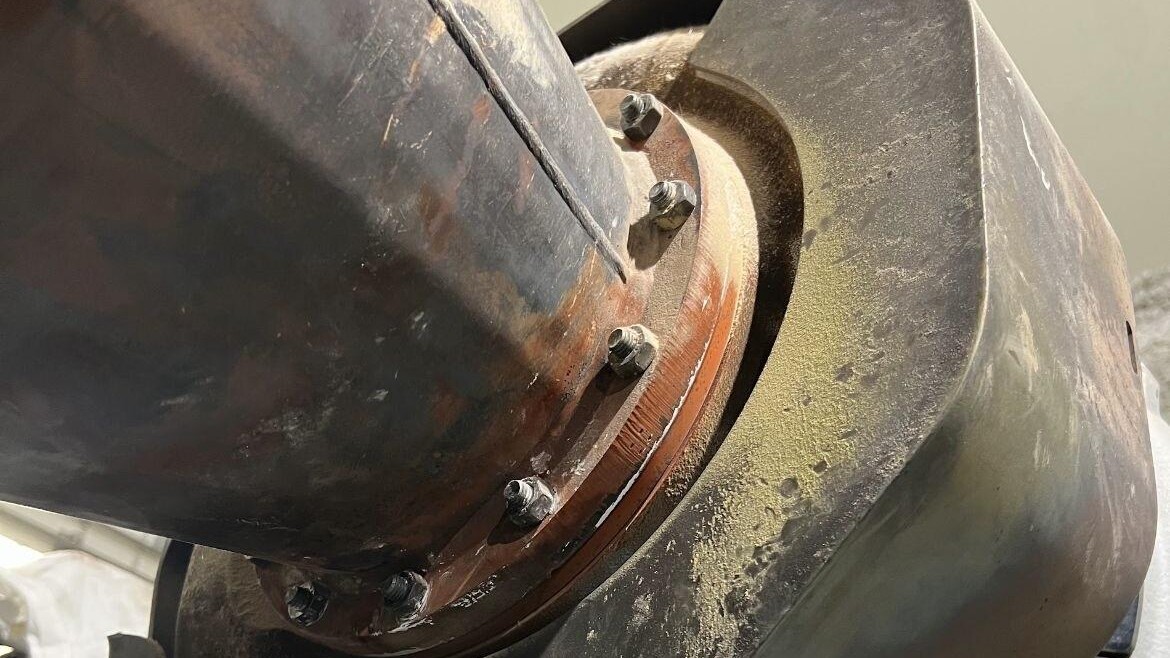
Research on insulation and high temperature applications
In insulation and installations where chrome-containing metals react with calcium from insulation and heat, chromium-6 can form, even if no paint is present.
In insulation and installations where chromium-containing metals react with alkali and alkaline earth metals (like calcium in most insulation) and heat, Cr(VI) can form, even if no paint is present. Think of:
- Gas turbines.
- CHP engines.
- Exhausts and heat exchangers.
- Process installations and steam pipes.
- Anti-seize, pastes, and lubricants.
What does an on-site investigation look like?
For every chromium-6 investigation on site, SEEF follows a fixed, logical procedure. We start with a thorough preliminary study, so it’s clear what exactly we need to investigate and where the biggest risk lies. Then we take targeted samples on site, which we analyze in our own laboratory. Finally, we translate the results into clear advice and practical measures, so you know exactly what this means for your project and organization.
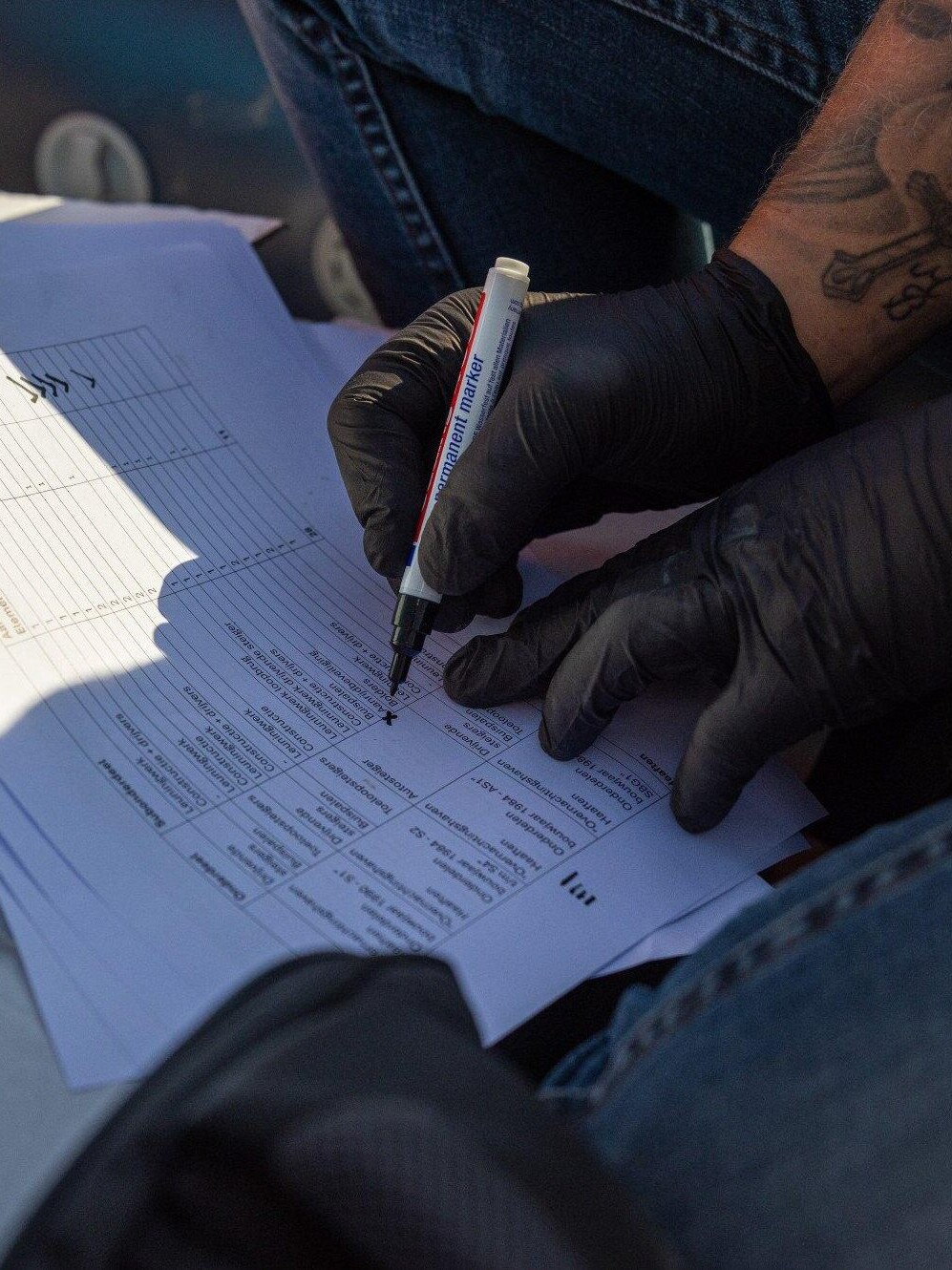
Step 1 - Preliminary research
SEEF always starts with:
- Analysis of drawings, technical documentation, and history.
- Assessment of applications (coating, insulation, etc.)
- Selection of suitable sampling technique.
- Demarcation (determining the number of samples).
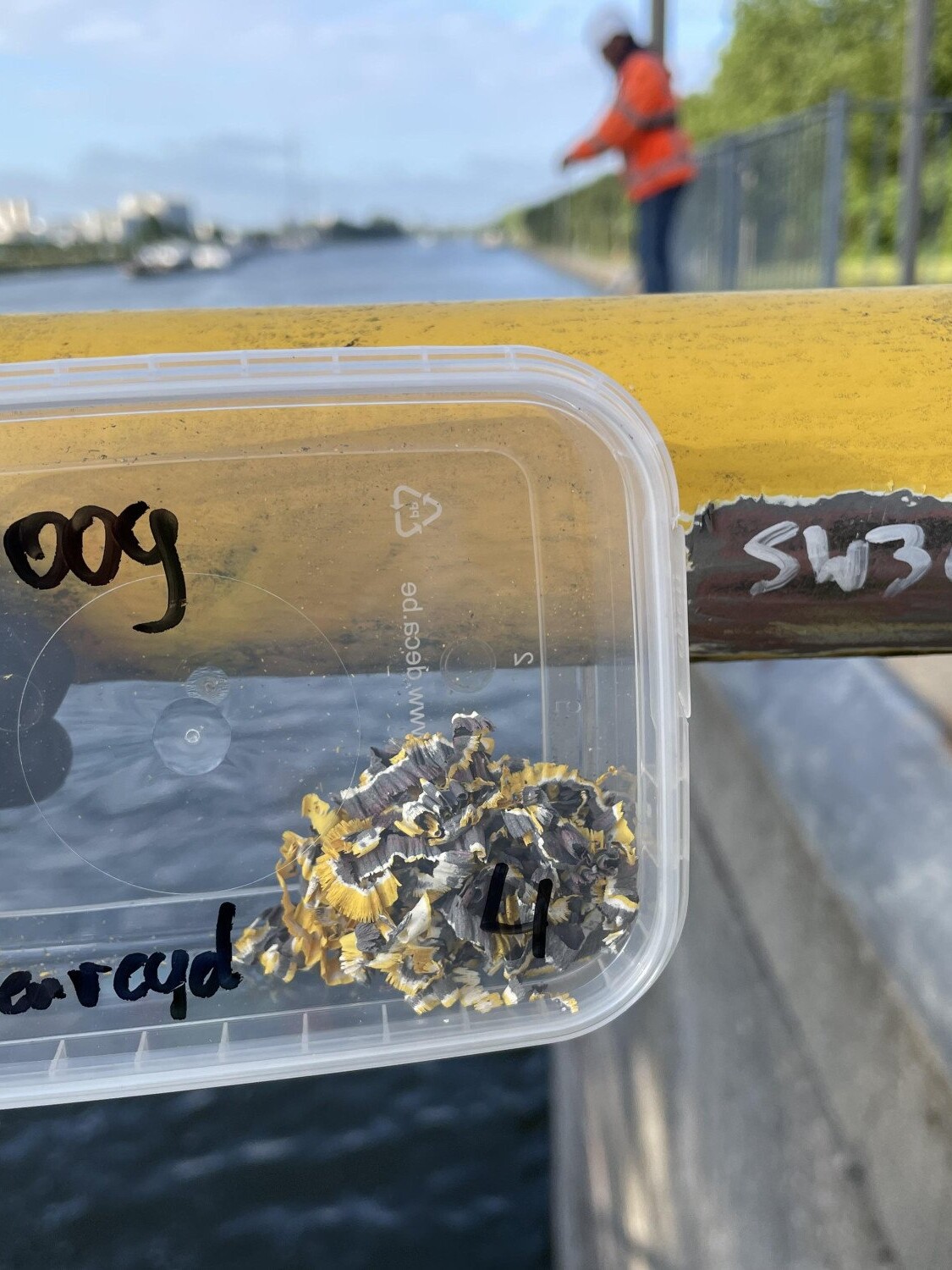
Step 2 - Targeted sampling
Depending on the situation:
- Paint samples.
- Swab samples (ASTM D6966-18).
- Material samples of insulation.
- Samples of anti-seize paste.
- TK01 measurements on site.
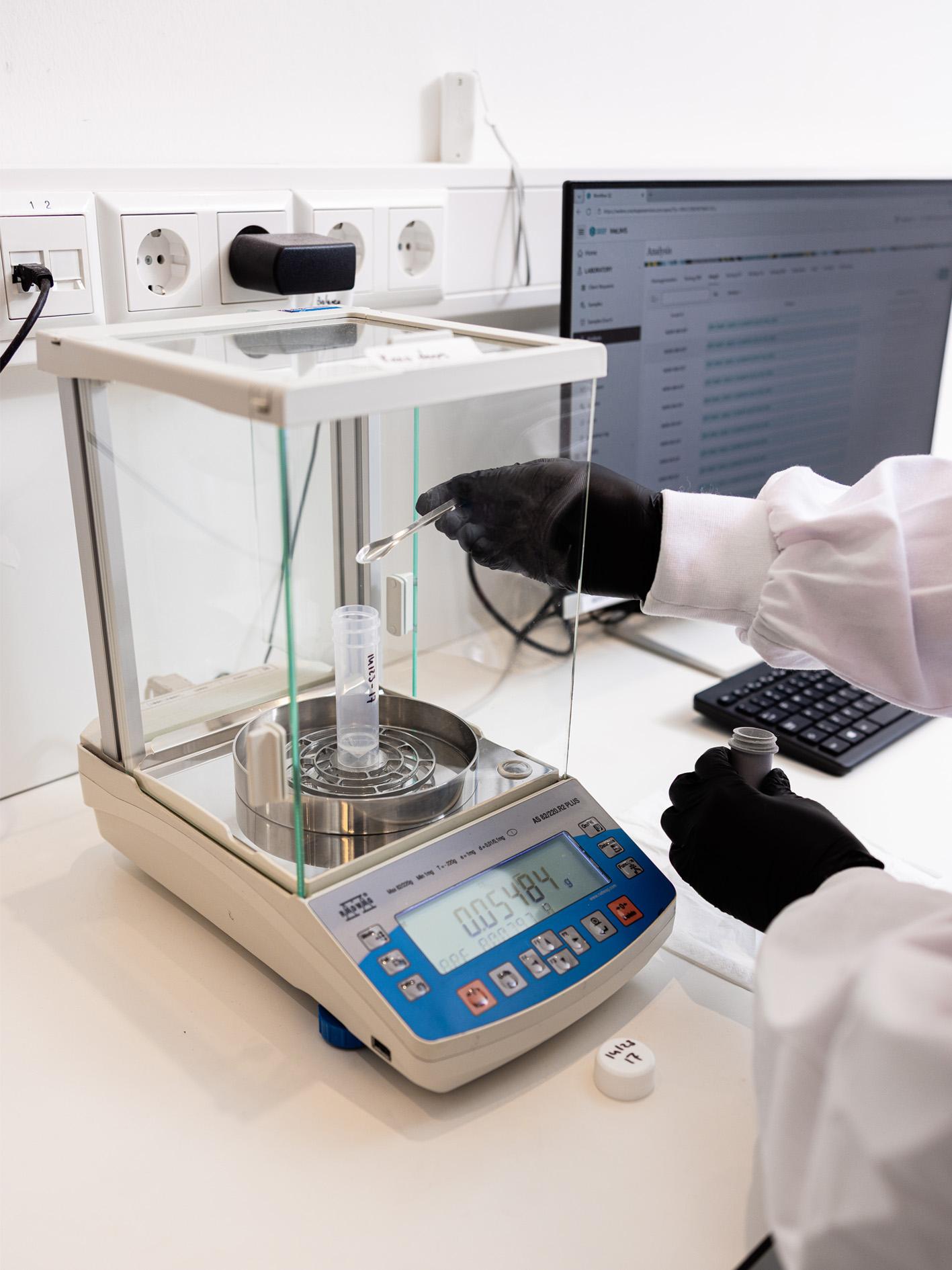
Step 3 - Analysis in your own laboratory
SEEF uses:
Validated analytical methods.
A unique, patented technology for chromium-6 (WO2023219493).
Qualified personnel.
SEEF operates in accordance with ISO/IEC 17025 but is not accredited for these specific activities. The accreditation process with the Dutch Accreditation Council (Raad voor Accreditatie) is currently underway.

Step 4 - Advice and reporting
You will receive:
- Clear explanation of results.
- Risk assessment for activities.
- If desired, advice for control measures.
- Traceable reporting.
Who is on-site chrome-6 research intended for?
Chromium-6 research on-site is relevant for organizations that work with coatings, insulation, or industrial installations and need assurance about the presence of Cr(VI). It helps in the safe execution of work and compliance with laws and regulations. It is relevant for, among others:
- Contractors and maintenance companies.
- Housing corporations and property owners.
- Industrial users and asset owners.
- Insulation and painting companies.
- Consulting firms and project leaders.
- Governments and defense.
- Quality and safety managers.
Why choose SEEF?
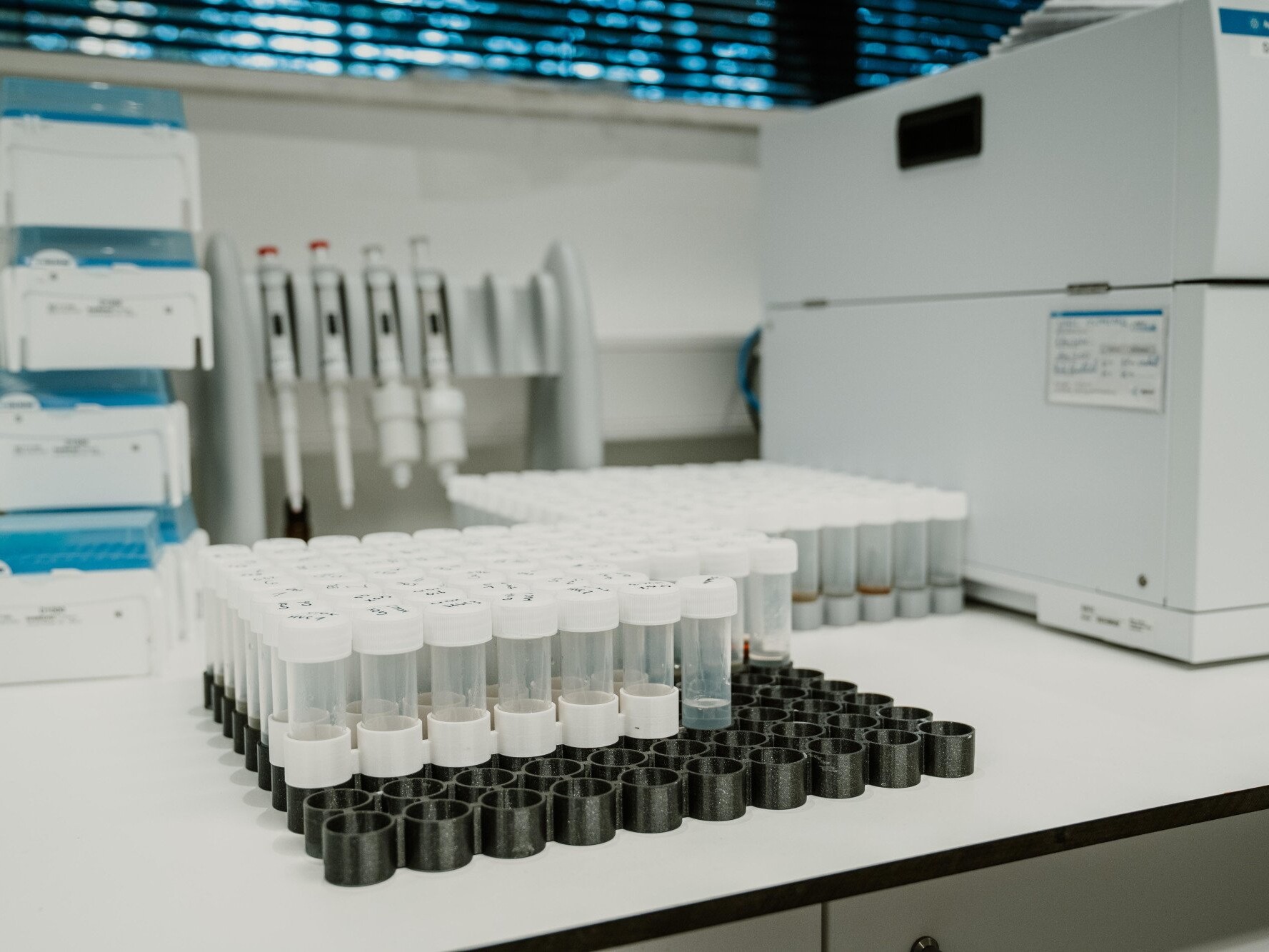
SEEF offers a combination of specialized knowledge, reliable sampling, and its own laboratory with patented analytical techniques. This way, you receive fast, accurate results and advice that is directly applicable to your project and organization.
- Specialized in chromium-6 compounds, even in complex situations.
- Own laboratory with fast turnaround times.
- Patented analysis technique.
- Unique knowledge of Cr(VI) under insulation.
- Expert sampling.
- Support at both project and organizational level.
faq
When you suspect that coatings, dust, or insulation contain chromium-6, or when work activities carry a risk of exposure. This is a legal obligation arising from the risk inventory & evaluation (RI&E) in order to properly assess the risks involved.
Yes, SEEF can also conduct urgent research upon request.
Yes, these are two different forms of Cr(VI) compounds and require different techniques.
For its analyses, SEEF uses its own patented method (WO2023219493), developed to measure chromium-6 more accurately than commonly used reference methods, particularly in zinc-containing matrices. For sampling and exposure assessment, we follow recognized guidelines, including NEN 689, ASTM D6966-18 and OGOS-300-TRL.
Yes, both project-based and organizational. SEEF has already helped many companies shape their policies.
Yes, we do this by sharing knowledge, reporting templates, and providing training. SEEF is an extension of your research agency with specialized knowledge and quick service.