
Reliable chromium-6 research, analysis, and advice for organizations
SEEF specializes in research on chromium-6 compounds and heavy metals
SEEF helps organizations handle chromium-6 safely. We conduct on-site research and analyze samples in our own laboratory. Governments, consulting firms, asset owners, and HSE professionals receive clear results and practical advice based on our reliable and patented Cr(VI) method.
>40%
From coatings worldwide is Cr(VI) containing
>2000
Cr(VI) compound analyses per month
20
talented people build our mission
2
Countries actively with their own establishment
Why choose SEEF laboratory?
Result within 5 working days
We understand that speed is crucial
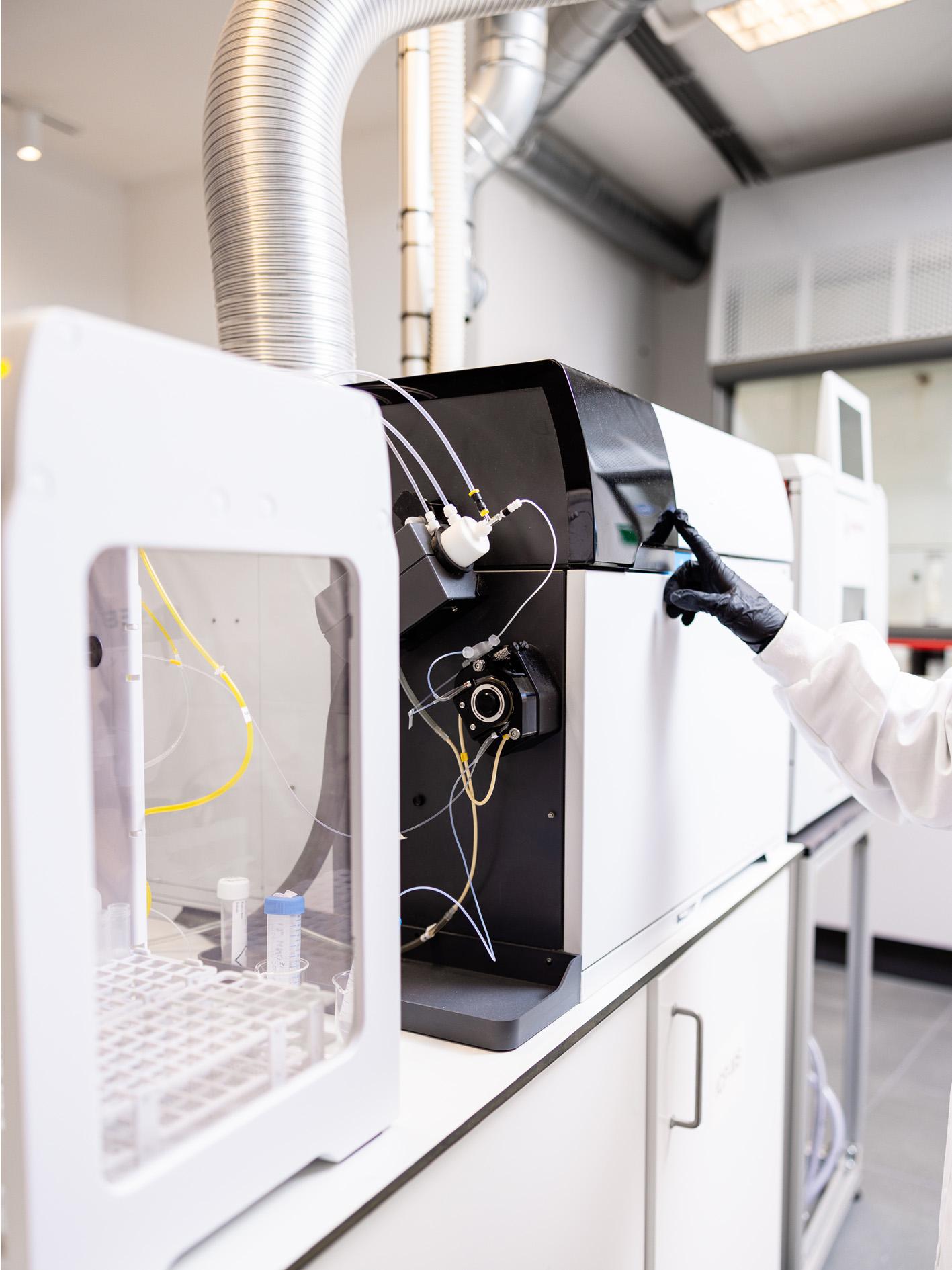
At SEEF, we understand that getting clear answers quickly is important. That’s why we work with a fixed turnaround time of no more than five working days for chromium-6 analyses. Our patented Cr(VI) analytical technology delivers reliable results without interference from metals such as zinc or aluminium.
We combine our proprietary method with an efficiently designed laboratory process. This means you receive a clear report quickly, allowing you to move forward immediately, whether for on-site investigations, policy development, or clearance following remediation work.
Never again bothered by matrix failures
Always results!
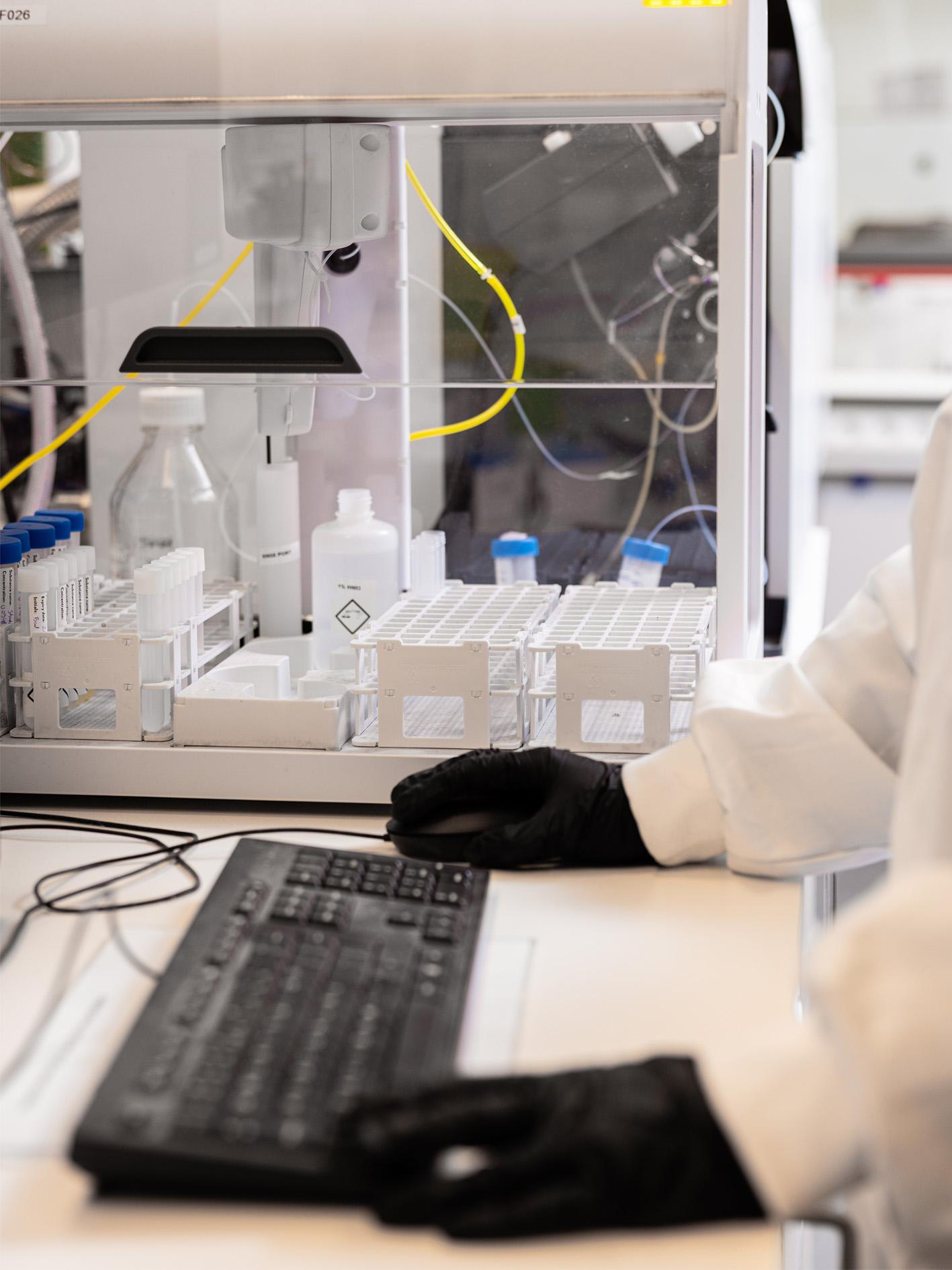
Many laboratories struggle to obtain reliable chromium-6 measurements due to interference, particularly from zinc or aluminium. As a result, the measured value may be lower than the actual amount of Cr(VI) present in the sample.
SEEF has solved this problem with a patented analytical technique that significantly reduces interference and helps prevent underestimation of the actual risk. Our method delivers stable, reproducible results across a wide range of materials, from coatings to complex insulation samples.
Modern laboratory techniques for reliable results
Patented method, modern equipment
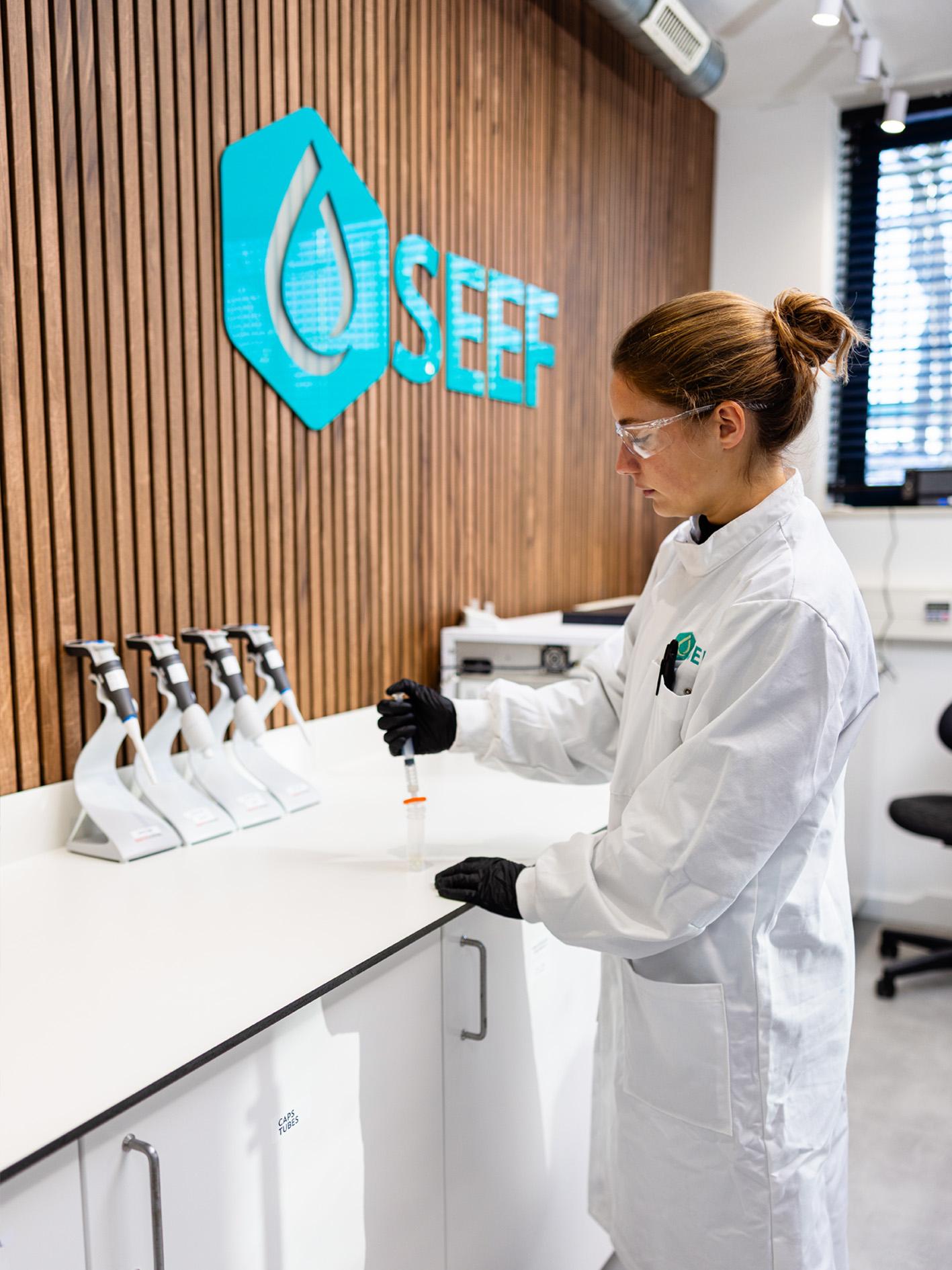
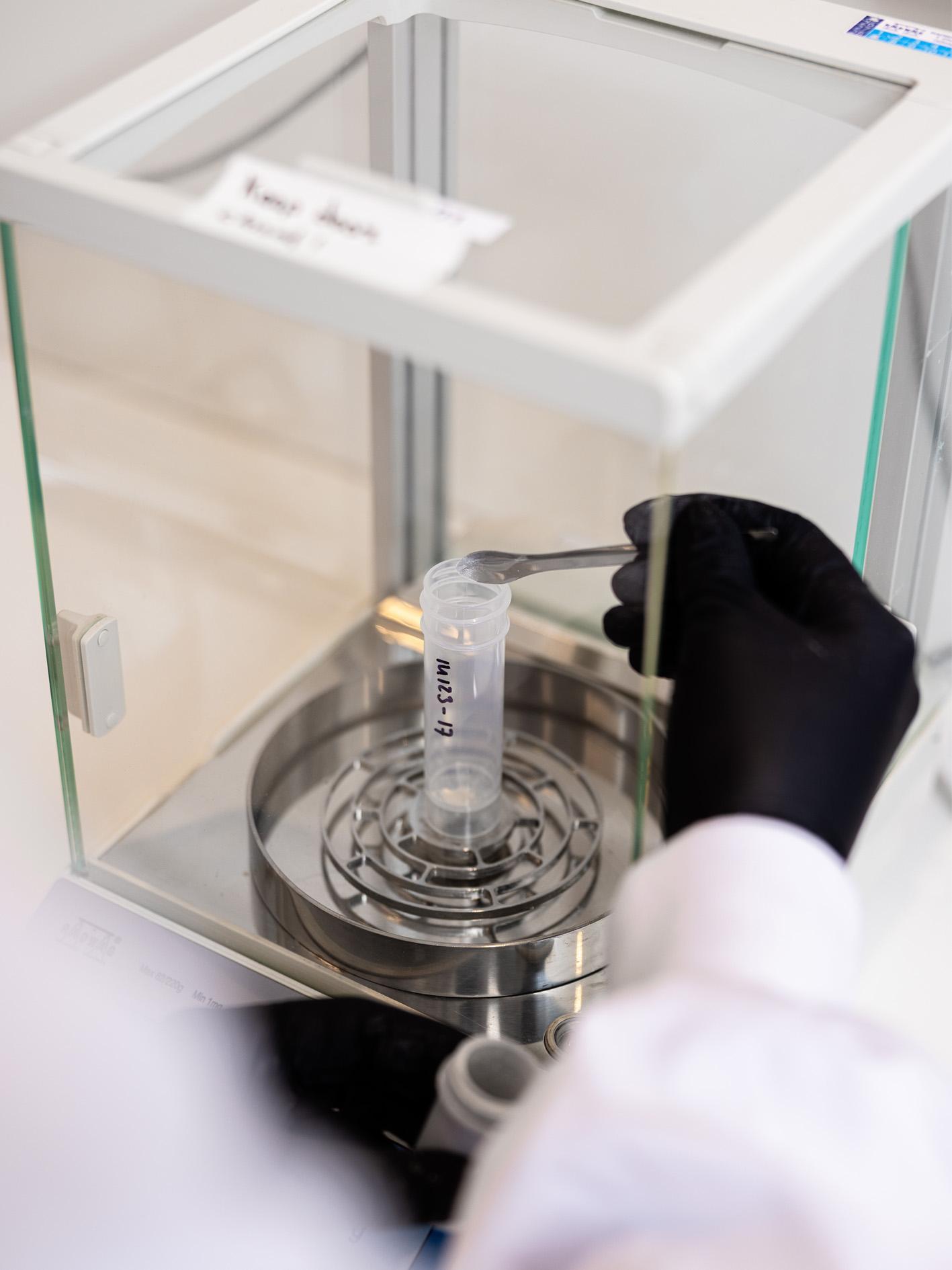
At SEEF, we combine state-of-the-art laboratory technology with in-depth expertise in chromium-6. Our patented Cr(VI) analytical method prevents interference and delivers reliable results, even when dealing with complex materials. We also use high-quality equipment from Agilent Technologies for our analyses, employing techniques such as ICP-MS, GC-MS and UV-VIS.
By continuously investing in technology and expertise, we maintain high standards of quality while keeping turnaround times short. This means you can rely on clear, dependable results that enable you to take action immediately.
Compare with NEN 5617:2022 or ISO 15192:2021
Which chrome-6 method should I choose?
SEEF has developed a patented method for the quantitative analysis of chromium-6. We are able to stabilize Cr(VI) compounds during the extraction process. With this advanced method, we distinguish ourselves from other analytical techniques by focusing on accuracy and reliability.
NEN 5617:2022 is a semi-quantitative method, meaning that it cannot accurately determine the actual amount of Cr(VI) due to matrix interferences such as zinc and aluminium. ISO 15192:2021 is a method intended for waste and soil and is subject to the same interferences. This method is designed for soil and waste and is not intended for applications such as paint or insulation.

Chromium-6 advice and tailored guidance
From project-based advice to policy
SEEF helps organizations address chromium-6 responsibly and in accordance with regulations. We provide support for projects requiring research, risk assessment, or clearance, as well as for developing policies and procedures within the organization.
Our specialists translate research results into concrete steps, such as work plans, RI&E adjustments, control measures, and communication towards employees or contractors. This way, you receive practical and applicable advice tailored to your situation, helping you stay safe and compliant.