
Exposure research chromium-6 and heavy metals
Safe, in accordance with NEN689:2018 and expert
How does an exposure assessment work
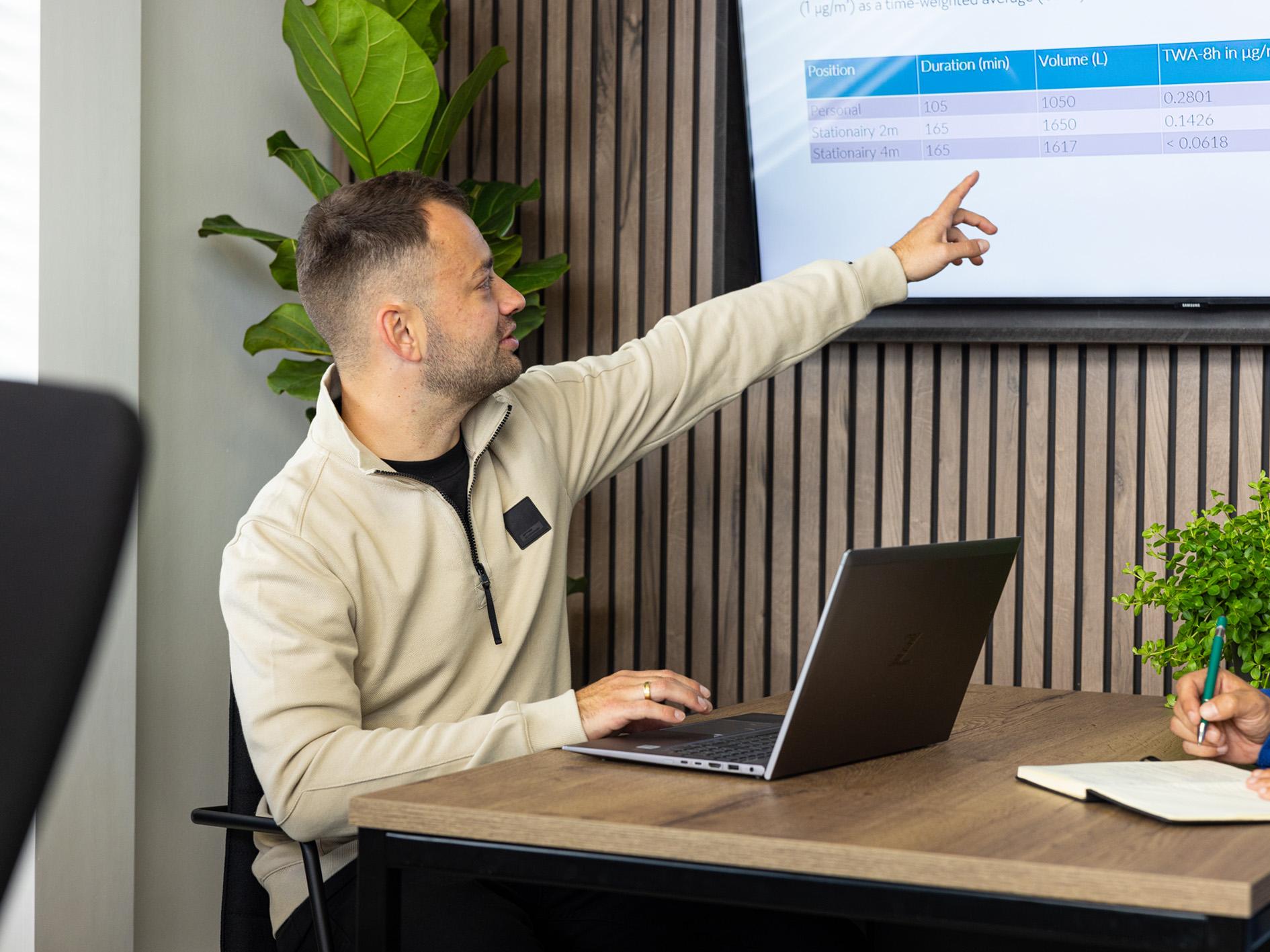
The exposure research according to NEN689 measures employees' exposure to hazardous substances and risk factors in the workplace through standardized measurements and analyses. This data provides insight into potential health risks and helps in taking targeted measures to ensure a safe working environment. SEEF offers expert advice and support from certified occupational hygienists for optimal results.
Step 1
Preparation and planning
“We’re starting with a thorough preparation to map out the work environment and the potential exposure to chromium-6 and heavy metals.”
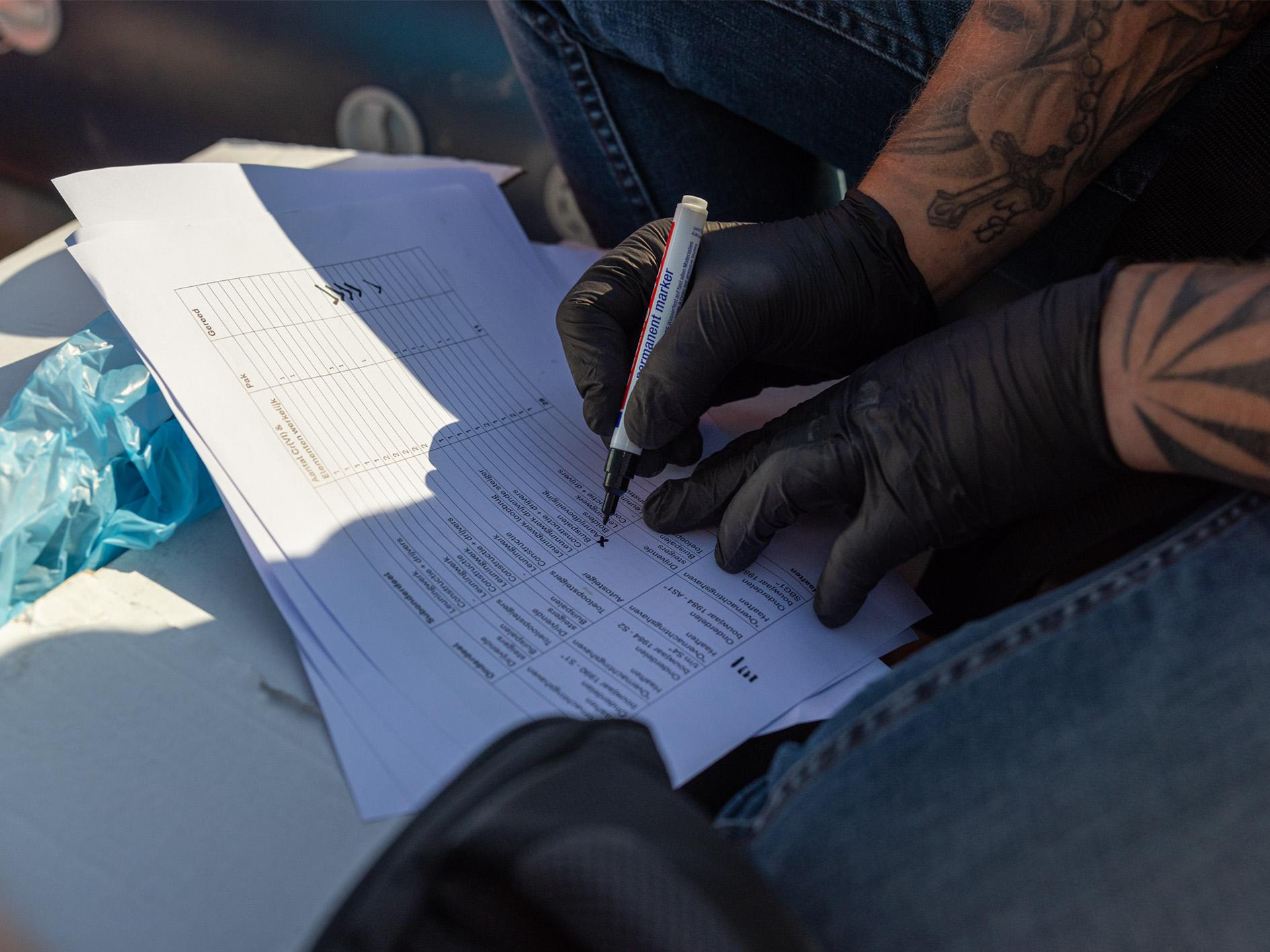
We start with the work activities themselves: which tasks, which materials, which employees, and for how long. Based on this, we divide employees into Similar Exposure Groups (SEGs) and determine which substances we measure: chromium-6, lead, other metals, or a combination. Contact us for more information.
Step 2
Measurement plan
“The measurement plan determines which substances are measured and which methods and equipment are used.”
The measurement plan sets out who we measure, for how long, during which task, and with which method. We follow NEN-EN 689: at least three personal air measurements per exposure group, supplemented with stationary measurements and wipe samples where that helps clarify the results. We sample and analyze chromium-6 in air according to NIOSH 7600, and metals according to NIOSH 7300 / ISO 15202.
Step 3
Measurements
“The measurements are carried out on-site using advanced techniques and certified equipment.”
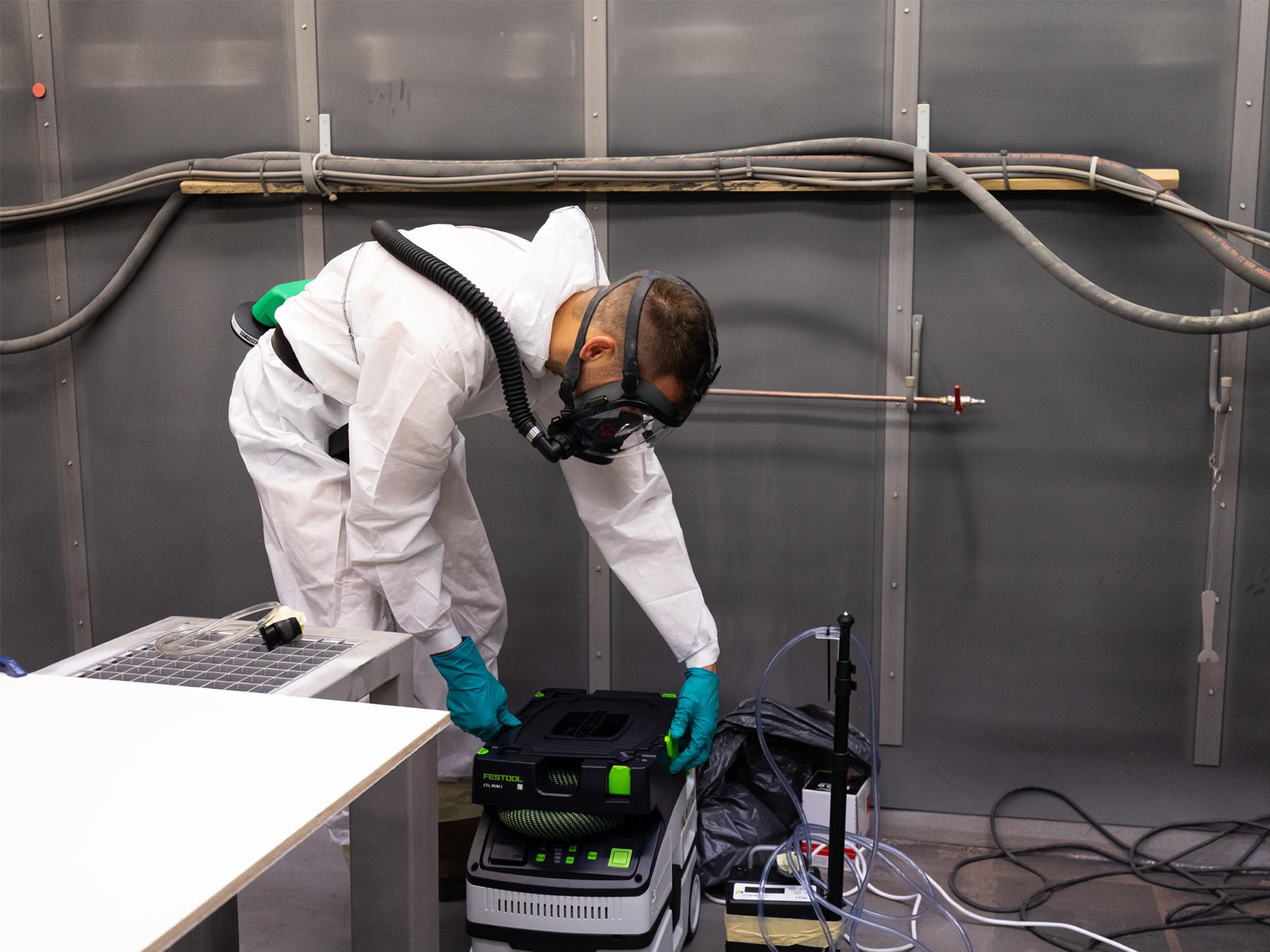
Our measurement technician takes measurements on site while the work is being carried out, for example during blasting, sanding, grinding, or the removal of insulation. Employees wear a personal air sampling pump with a filter in the breathing zone, supplemented with stationary measurements in the space, surface wipe samples, and material samples from the paint or insulation. All pumps are checked for flow rate before and after the measurement, and for each measurement we record who, where, how long, and which task. This makes a measurement result traceable back to the actual situation on the work floor. Want to read more? See more information in our knowledge base.
Step 4
Analysis and results
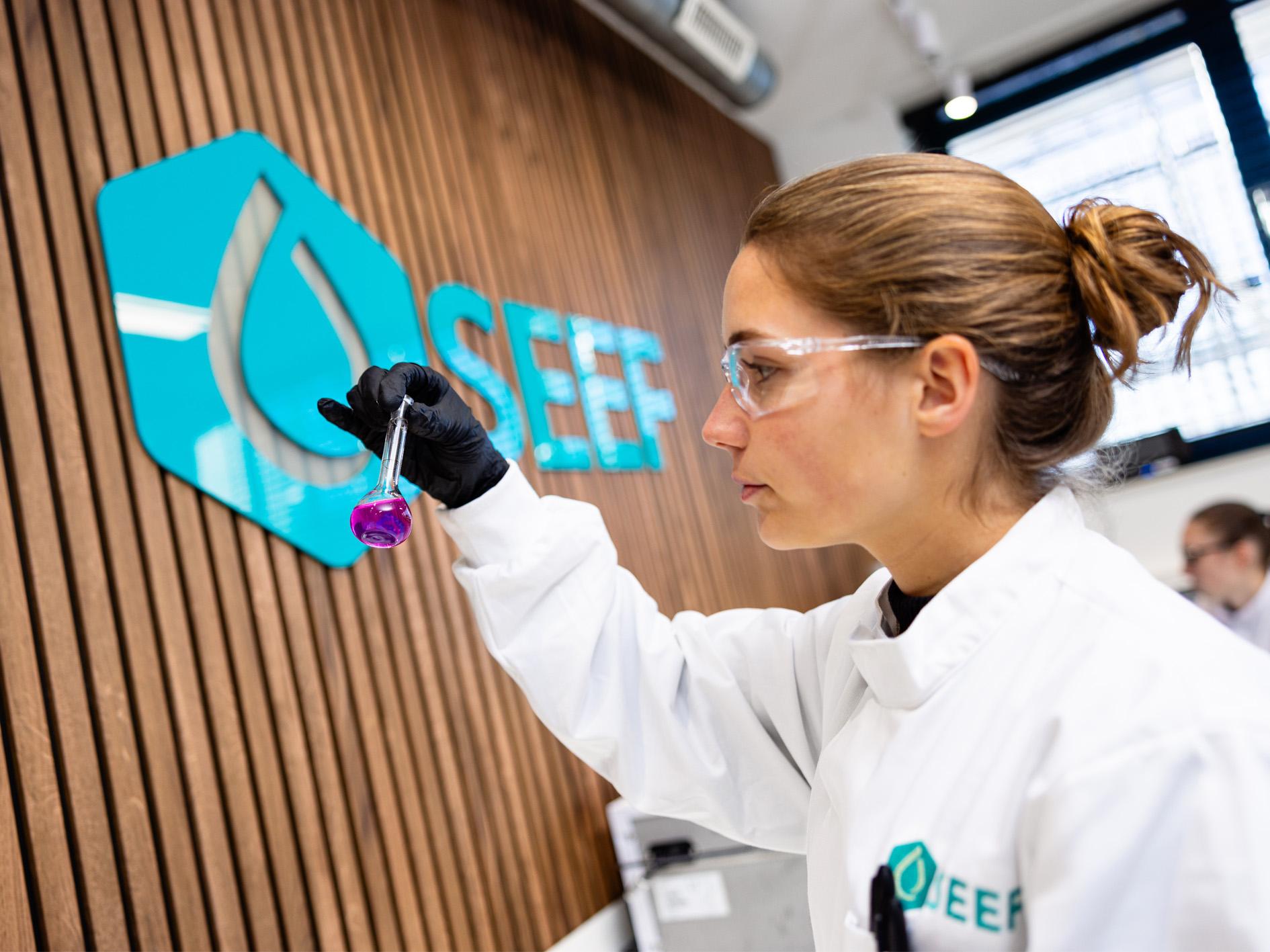
“The samples are analyzed in our laboratory for accurate results.”
The air filters, wipe samples, and material samples are analyzed in our own laboratory. We determine chromium-6 on air filters in accordance with NIOSH 7600, with a quantification limit of 0.12 µg per filter, which is more than sufficient to assess compliance with the legal limit value of 1 µg/m³. In a comparative study conducted in 2026 with two external laboratories, SEEF’s analysis of air filters achieved a recovery rate of 98.9%.
We analyze material samples using our own patented method (WO2023219493), ensuring that the chromium-6 content of paint is accurately determined, including in zinc-containing coatings.
SEEF operates in accordance with ISO/IEC 17025. SEEF is not accredited for these specific activities. The accreditation process with the Dutch Accreditation Council (Raad voor Accreditatie) is currently underway.
Read more about this in our knowledge base.
Step 5
Advice
“Based on the results, we provide expert advice to minimize exposure.”
We formulate a detailed recommendation to minimize exposure to chromium-6 and heavy metals and to protect the health of employees. This recommendation includes practical suggestions and measures for improvement, which are specifically tailored to the working conditions and comply with the applicable health guidelines.
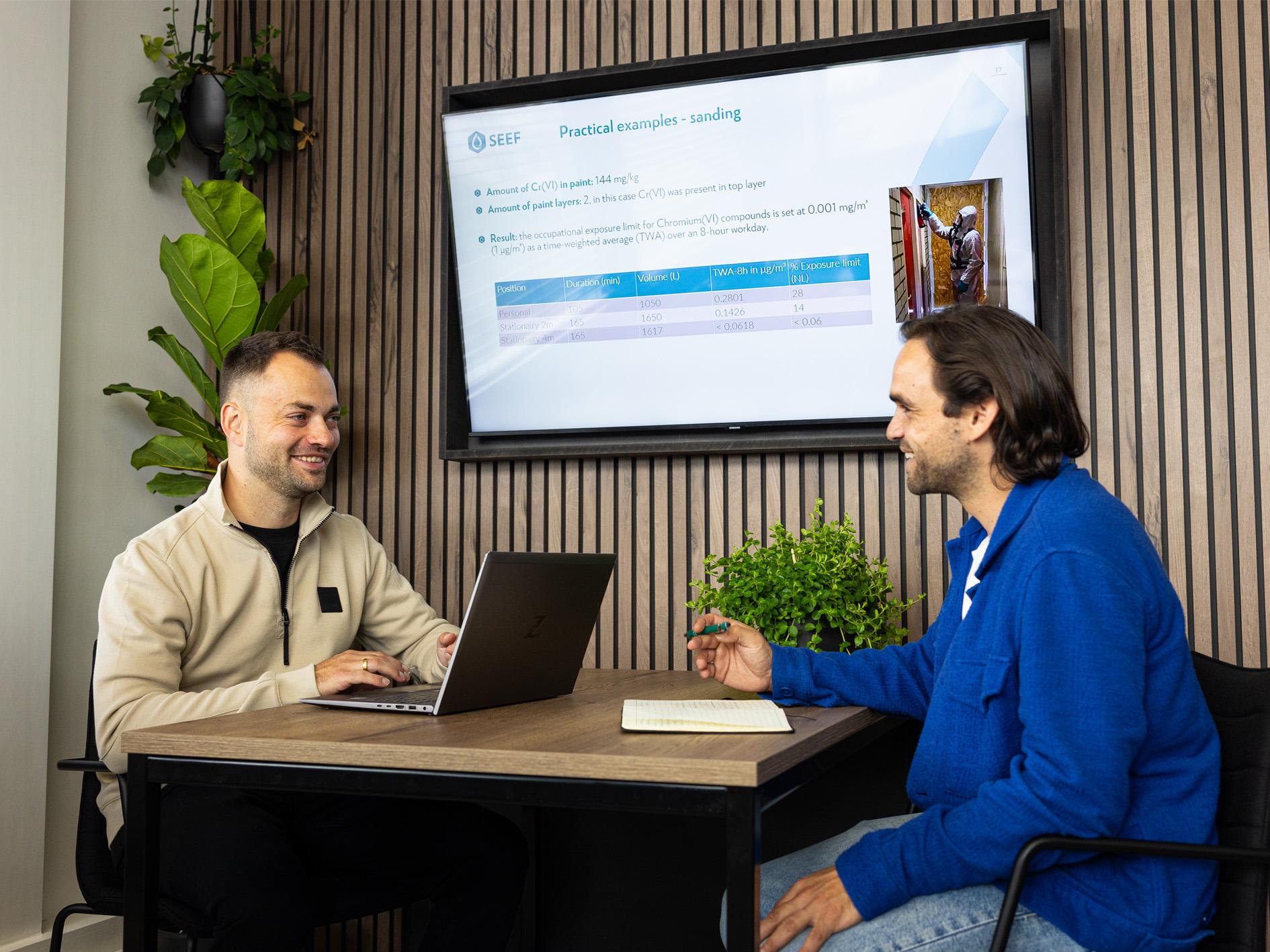

“Seef is for us a reliable partner in the field of chromium-6. They can switch quickly and provide us with complete reports and corresponding advice. We also experience a very pleasant collaboration!”